
Hey there, game creators! I’m beyond excited to share a revamped version of that awesome game idea outline we talked about before. This template is your sparkly guide to crafting a killer game design document, whether you’re dreaming up your first indie hit or leveling up an existing concept. It’s flexible, fun, and ready to help you bring your vision to life! Let’s dive into this with all the energy of a speedrun and shape your game into something epic. Below, I’ve jazzed up the outline with a fresh, upbeat vibe while keeping all the key elements intact. Ready? Let’s make some magic!
-
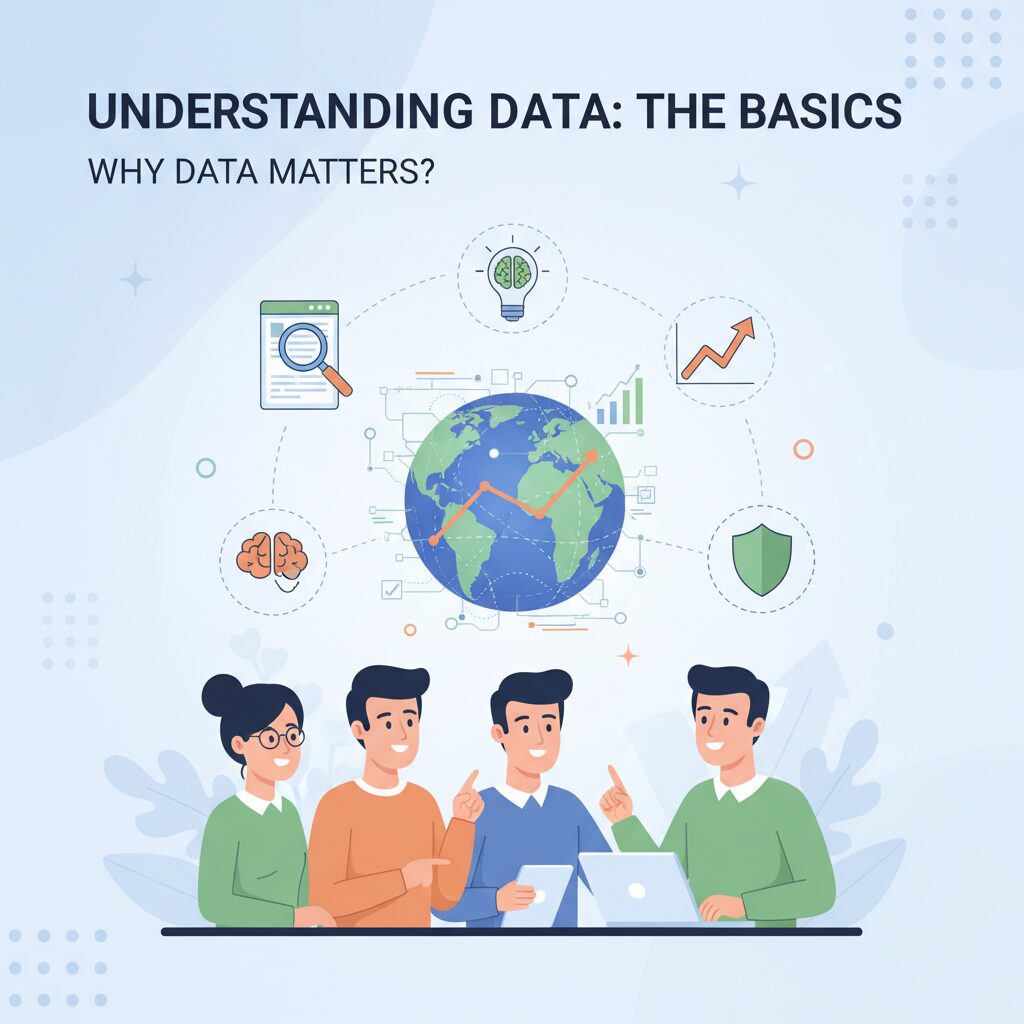
![Understanding Data – The Basics Every Adult Learner Should Know]()
Understanding Data – The Basics Every Adult Learner Should Know
Spread the loveA simple, practical guide for adults learning how data shows up in everyday life. … Understanding Data – The Basics Every Adult Learner Should KnowRead more
-
![October 2025 Learning Roundup: Tech, Media, and Skills]()
October 2025 Learning Roundup: Tech, Media, and Skills
Spread the loveA blog post: October 2025 Learning Roundup: Tech, Media, and Skills Blog Post for … October 2025 Learning Roundup: Tech, Media, and Skills Read more
-
![Brainstorming Your First Game Idea]()
Brainstorming Your First Game Idea
Spread the loveBrainstorming Your First Game Idea (No Experience Needed) How to Brainstorm Your First Game … Brainstorming Your First Game IdeaRead more


Name Your Game and Pick Its Vibe
First things first, give your game a name that pops! Whether it’s something bold like “Starfire Odyssey” or mysterious like “Whispers of the Void,” make it unforgettable. Next, decide on the genre—think role-playing (RPG), action-adventure, or maybe a cozy puzzle game. For this outline, we’re focusing on an RPG where your characters have unique skills and stats that shine. Picture your players navigating a vibrant game world, making smart moves to progress. What’s the vibe? Is it a fantasy realm with dragons or a sci-fi universe with interstellar battles? Set the tone and let your imagination soar!
Craft the Heart of Your Game
What’s the point of your game? This is where you define the big goal. Maybe your players are saving a kingdom, mastering ancient magic, or exploring uncharted planets. For example, “Players embark on a quest to unite fractured tribes and restore balance to a war-torn world.” Whatever it is, make it clear and exciting! This section is your chance to hook players with a purpose that keeps them coming back for more. Check out this awesome guide on crafting game narratives for extra inspiration!
Design Levels That Wow
Now, let’s talk levels! Your game’s objectives should feel like stepping stones to greatness. Are players defeating bosses, solving puzzles, or unlocking hidden secrets? Lay out the main goals, like “conquer the Crystal Citadel” or “forge alliances with rival clans.” To keep things fresh, escalate the challenge with cool mechanics—think new abilities, tougher enemies, or dynamic environments. For instance, early levels might involve simple combat, while later ones introduce time-based puzzles. Need ideas? Peek at this level design resource for tips from the pros!
Solo or Squad? You Decide!
Is your game a solo adventure or a multiplayer party? For this RPG, we’re leaning toward a single-player experience, but you can sprinkle in multiplayer flair. Maybe other players can jump in as sidekicks or rival characters for special missions. Imagine a co-op mode where friends team up to tackle a massive boss—how fun would that be? Clearly define whether it’s one hero’s journey or a shared saga to set expectations.
Gameplay: How Players Rule the World
Here’s where the fun happens! Describe how players interact with your world. Are they swinging swords, casting spells, or piloting spaceships? List out the controls—keyboard, gamepad, or even touch inputs for mobile. Include actions like sprinting, dodging, or unleashing a signature move (like a fiery sword slash!). Don’t forget to mention unique features, like “Rest Stations” where players can heal or upgrade skills. A clear control scheme makes your game feel intuitive and immersive.
Weave a Story That Captivates
Every great game needs a story that pulls players in. Is it a tale of revenge, redemption, or discovery? For example, “A young mage uncovers her hidden powers to save her village from an ancient curse.” Flesh out the narrative with key plot points and emotional beats. What makes your story special? Maybe it’s the lore, the twists, or the way players shape the outcome. This is your chance to create a world players won’t want to leave!
Make Your Game Shine
What sets your game apart? Maybe it’s a unique training system where players level up their character’s skills, like mastering archery or unlocking telekinesis. Highlight standout features—gorgeous visuals, a dynamic soundtrack, or choices that change the story. For example, “Players train their hero in elemental magic, unlocking new spells that alter the environment.” These details make your game unforgettable.
Final Thoughts
This outline is your springboard to create something extraordinary! By filling in these sections, you’re building a roadmap for your game’s world, mechanics, and story. Don’t be afraid to iterate and dream big—your game could be the next big hit. For more tips, check out the original outline on My Virtual Classes or explore game dev communities on Gamasutra. Now, grab your ideas and start creating! What’s the first detail you’re adding to your game? Let’s chat about it!
Word count: 650
